
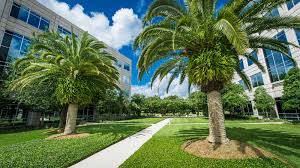
As climate patterns shift and water scarcity becomes an increasing concern, homeowners and businesses alike are embracing drought-resistant landscaping to be certain long-term sustainability. This strategy not simply enhances the visual advantage of outdoor spaces but also contributes significantly to resource efficiency. A significant thing in this procedure is water management, which forms the backbone of a typical successful drought-resilient landscape. Proper planning ensures that every drop is effectively utilized, reducing waste and promoting environmental responsibility.
Why Drought-Resistant Landscaping Matters
Statistics show nearly 40% of urban water consumption can be used outdoors for lawns and gardens. Traditional landscaping practices often result in excessive water usage, creating pressure on local water systems. Drought-resistant landscaping replaces water-intensive plants with native or adapted species that thrive with minimal irrigation. By carefully selecting soil types, mulching methods, and plant groupings, it is easy to create vibrant landscapes that require much less water without compromising aesthetics.
Key Water Management Strategies
Efficient Irrigation Systems: Smart irrigation controllers and drip systems deliver water instantly to plant roots, reducing evaporation and runoff. Data from recent surveys shows that drip irrigation can cut water usage by nearly 50% compared to standard sprinklers.
Rainwater Harvesting: Collecting rainwater in storage tanks or through landscape features like swales can significantly supplement irrigation needs. Rainwater harvesting not simply reduces reliance on municipal water but in addition mitigates stormwater runoff issues.
Soil Health Optimization: Healthy soil retains moisture more effectively. Incorporating compost and organic matter can improve soil structure, allowing plants to thrive even during dry spells.
Plant Selection and Zoning: Grouping plants by water needs means that high-demand species usually do not overconsume water. Native and drought-tolerant species are particularly efficient, often requiring 30-60% less irrigation than traditional turf grasses.
Economic and Environmental Benefits
Implementing drought-resistant landscaping with strong water management practices can aid in eliminating water bills by 20-40%. Beyond cost savings, they also support local ecosystems, reduce erosion, and promote biodiversity. Sustainable landscaping practices might increase property value, as eco-conscious design is starting to become a highly desirable feature.
Maintaining Your Drought-Resistant Landscape
Regular monitoring of soil moisture, periodic pruning, and seasonal mulching are crucial to hold efficiency. Homeowners could also adopt technology solutions for instance soil sensors and weather-adaptive irrigation controllers to further optimize water usage.
By embracing drought-resistant landscaping associated with strategic water management , outdoor spaces usually stay lush, functional, and eco-friendly. The shift toward these practices stop being a trend—it is the central respond to the realities of recent climate and urban water demands.
